01.
La Bionda
A story can be as simple as a house in Begur turned into a hotel. The complexity always lies in those who inhabit it.
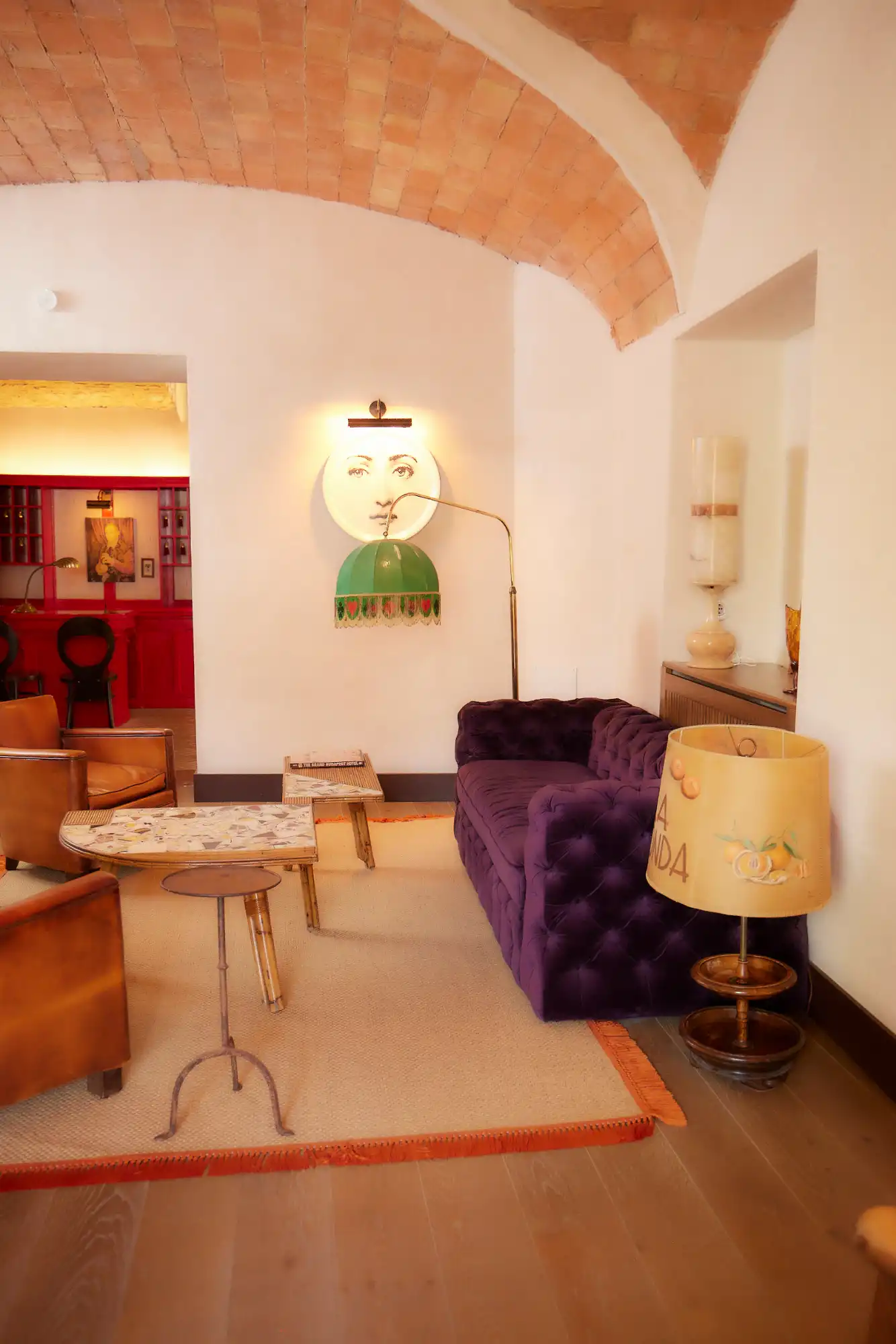
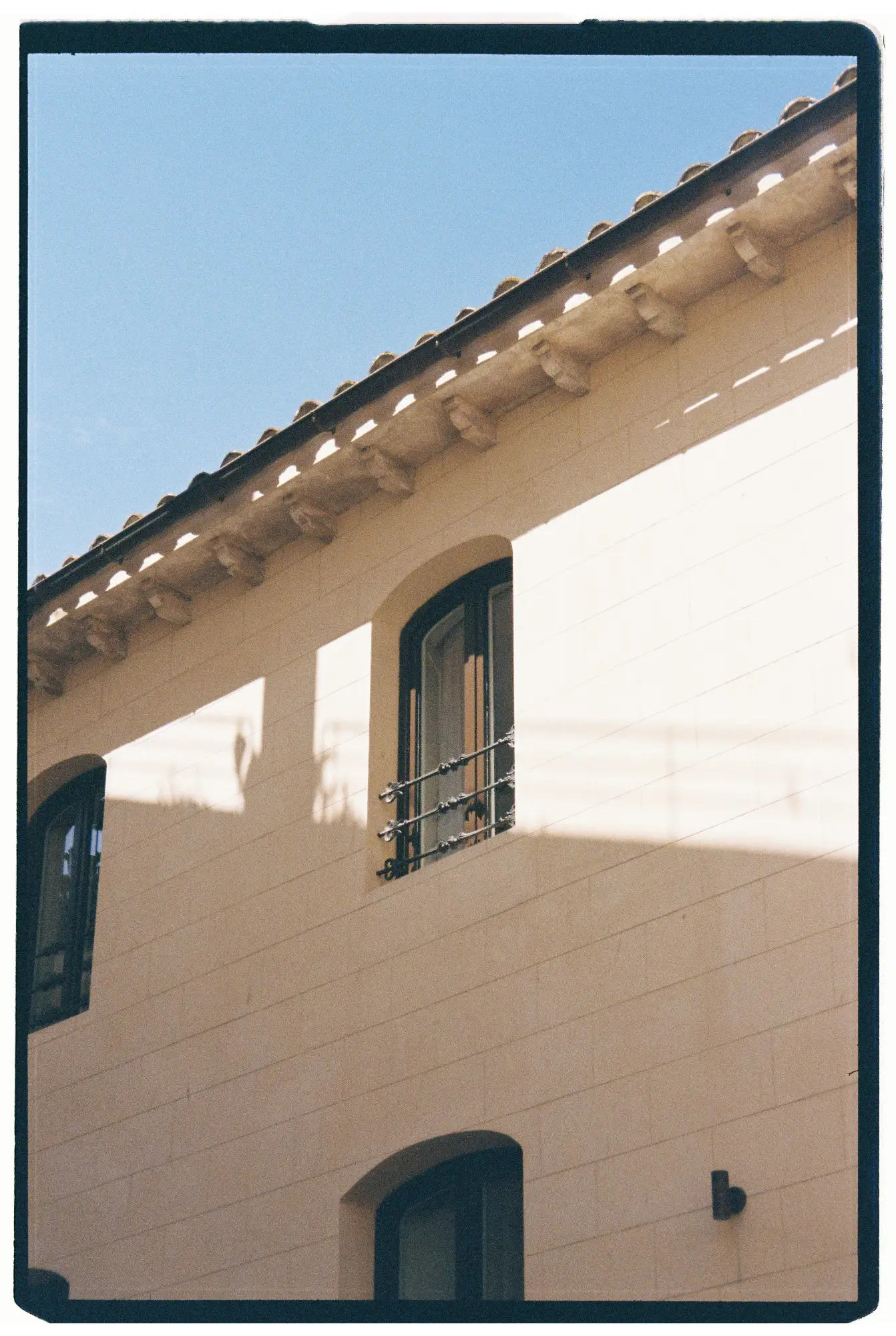
Just a few steps from the church and very close to the castle, Hotel La Bionda is located in the heart of Begur. A 17th-century house renovated down to the finest detail by Quintana Partners in 2018.
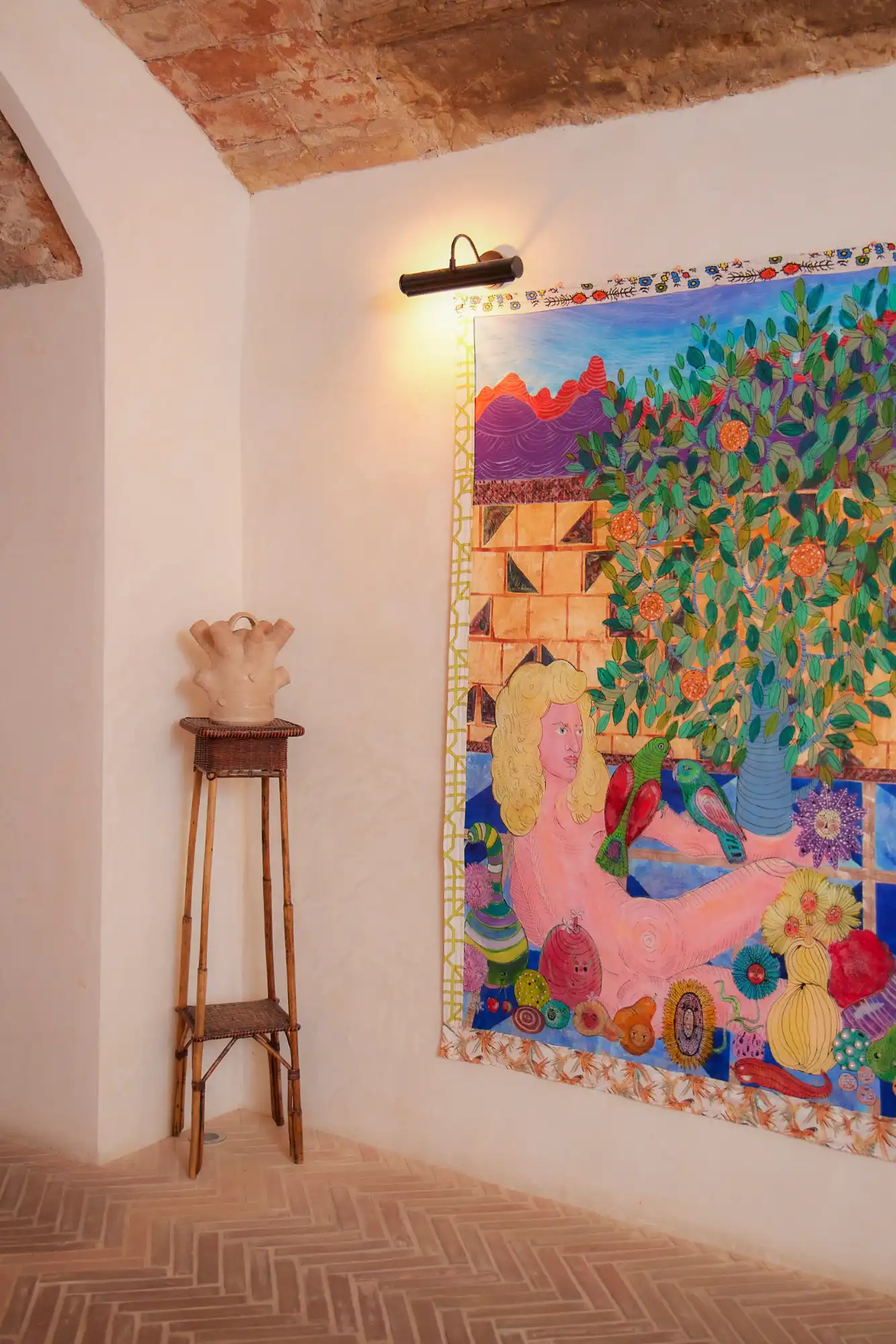
A family story
In Catalan villages, it is common for families to be known by a nickname or “house name”. These names are born from old stories and passed down from generation to generation, preserving the memory and character of those who first inspired them.
In 1879, Vicenç and María founded the first butcher’s shop in Sant Feliu de Codines, the village where Carla, their great-great-granddaughter, was born and raised. María was very blonde and, when people went to the butcher’s shop, they would say: “I’m going to the blonde woman’s house” — “Ca la Rossa” in Catalan. The nickname “Ca la Rossa” became the name by which the family was known.
Five generations of the family have passed, but the artisanal and family spirit of Ca la Rossa remains alive. The nickname has been passed down from generation to generation as a symbol of craft, roots and authenticity. In the village, everyone still knows the Lloveras family as “Ca la Rossa”.
In 2020, Carla recovered the family’s oral tradition and named her hotel “La Bionda” as a contemporary tribute to “Ca la Rossa”, her family legacy. She gave the name an Italian and modern twist — La Bionda means The Blonde, La Rossa. She envisioned the hotel as a modern reinterpretation of her family heritage, linked to authenticity, craft and artisanal work.
02.
Spaces
7 rooms: Carmen, Valentina, Joséphine, Emilie, Grete, Victor and Maria.
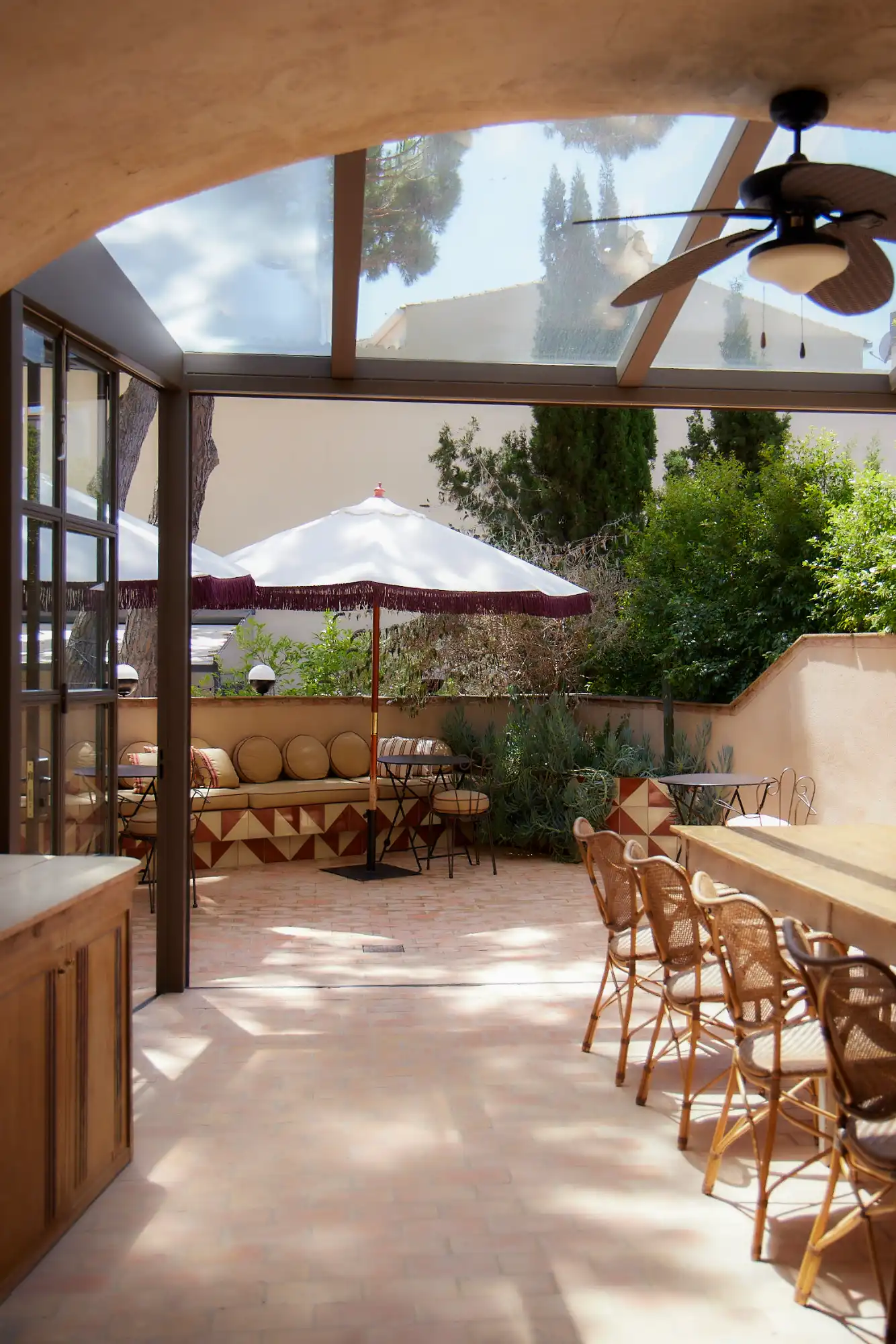
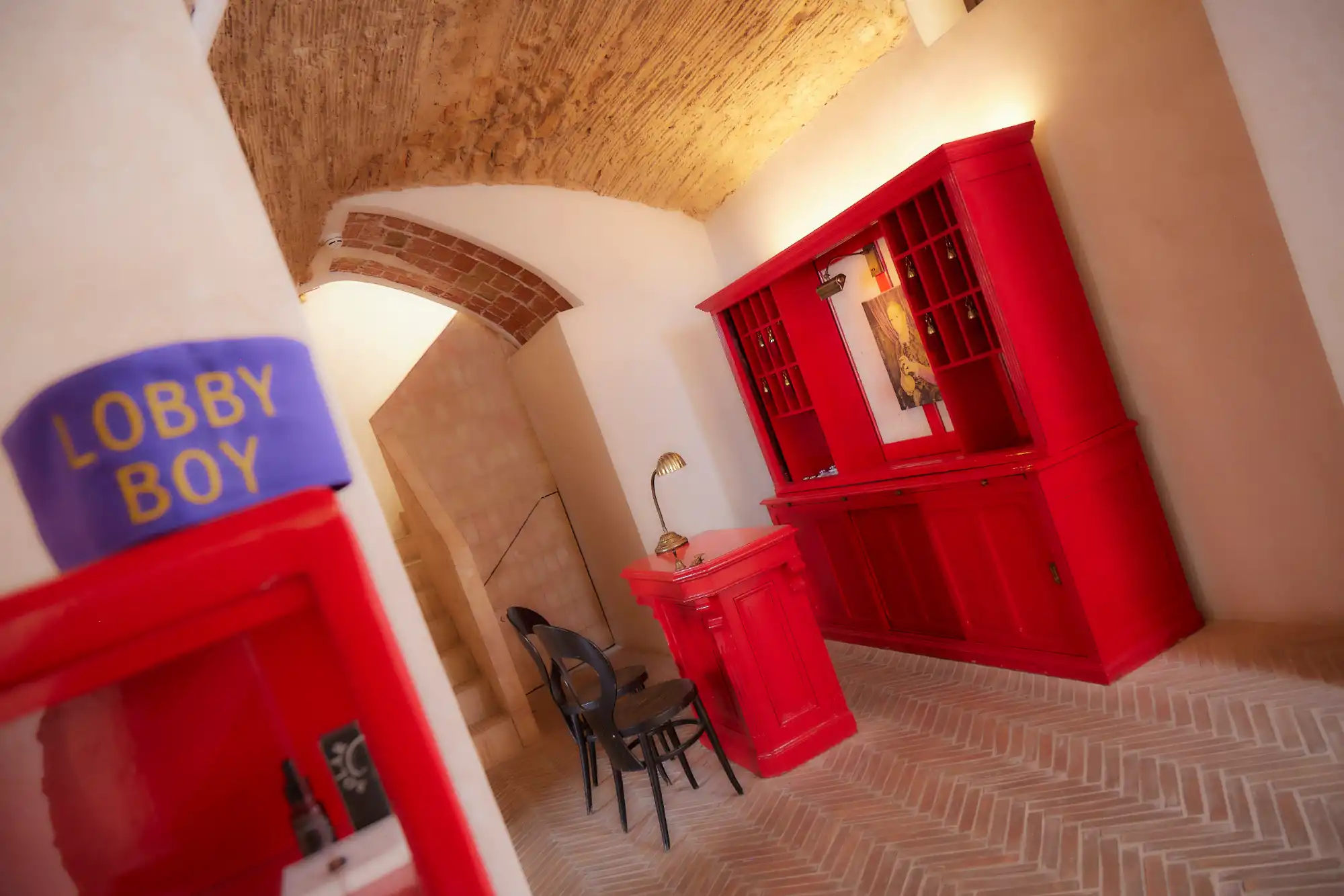
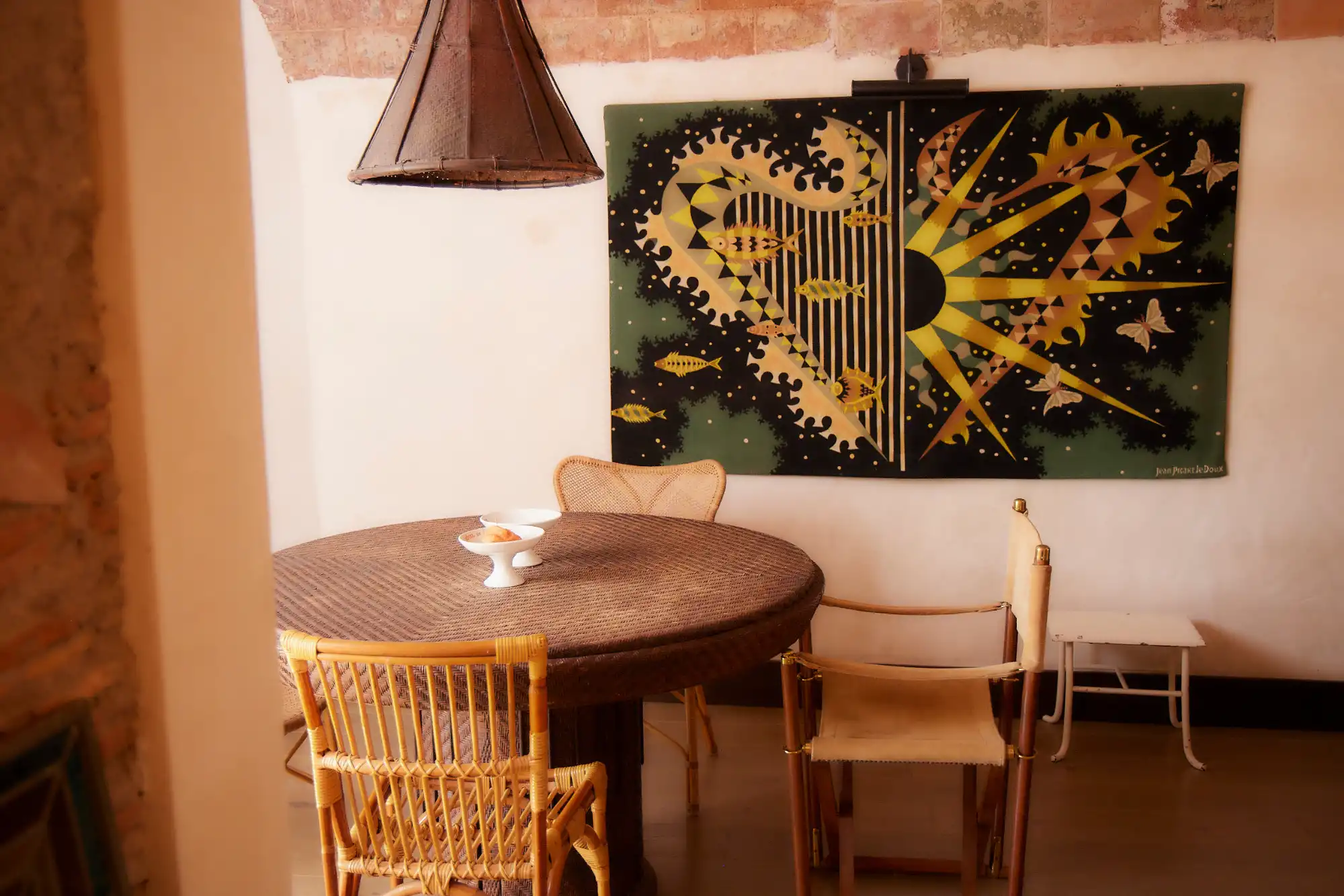
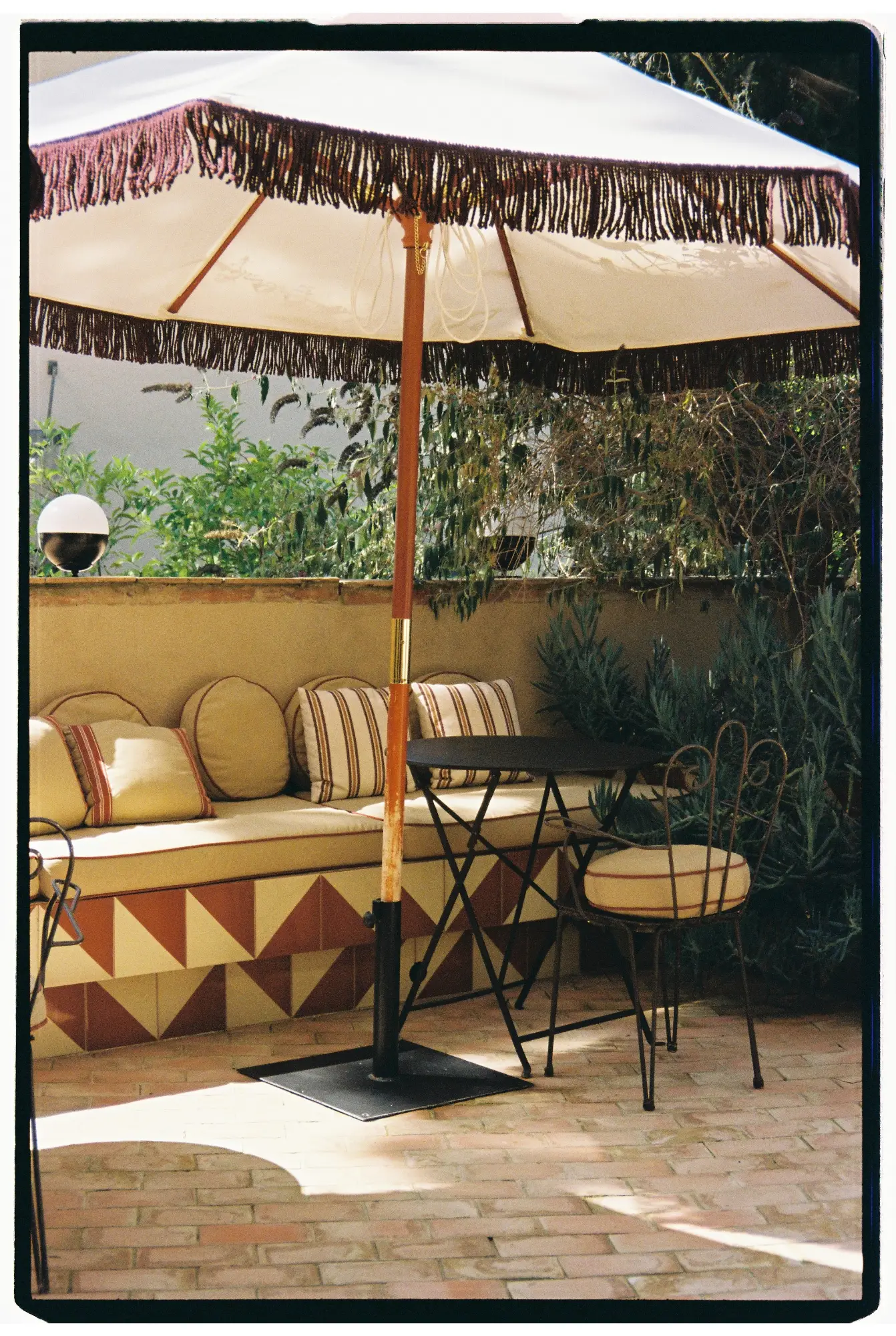
Ground floor: reception, lounge, courtyard, greenhouse, Bar/Honesty Bar, Virginia’s Room.
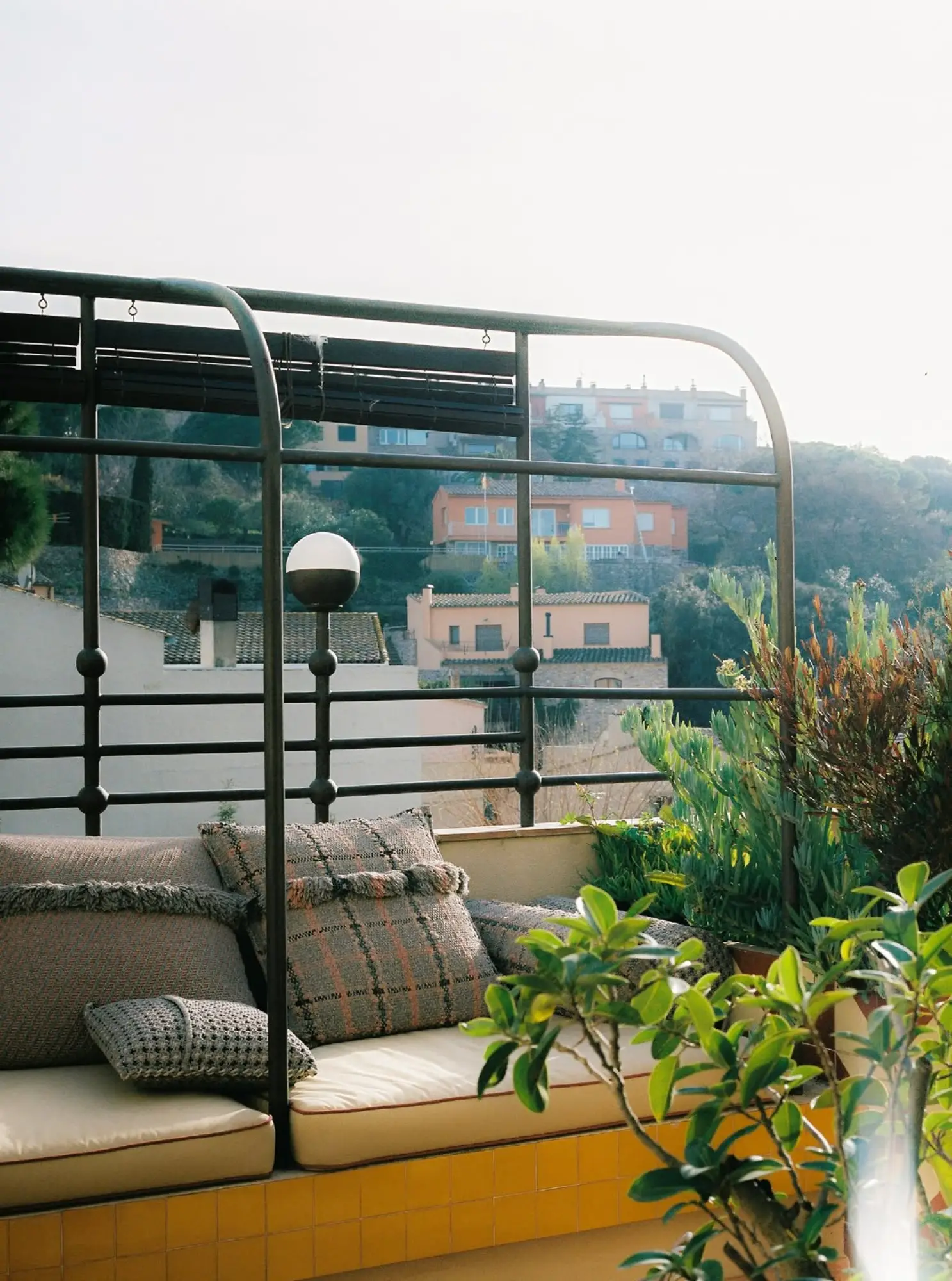
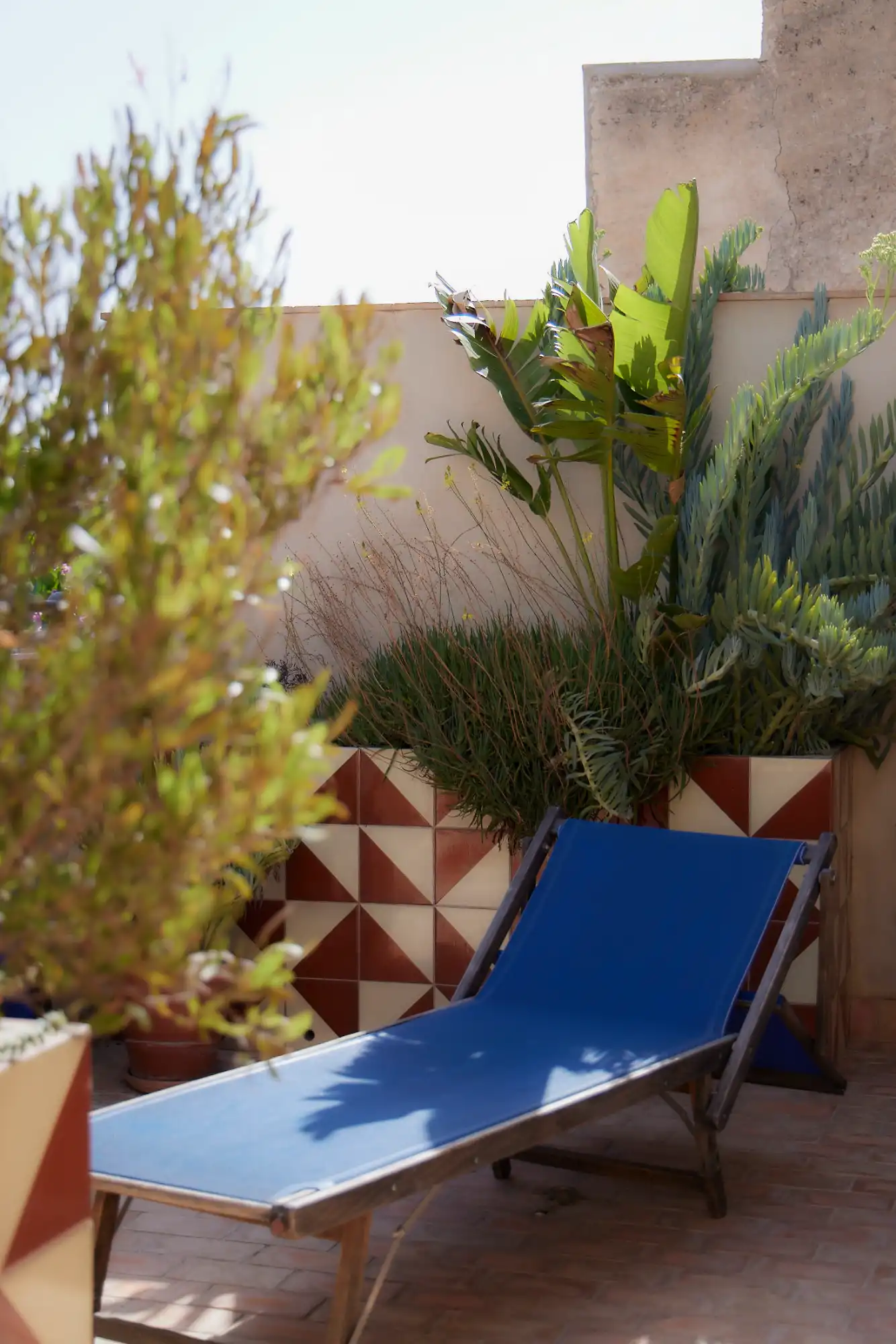
Upper floor: terrace with sofas and sun loungers to relax and soak up the sun.
Lift.
BAR (during the day):
Where you will find our selection of natural wines and soft drinks available throughout the day.
HONESTY BAR (at night):
Take whatever you like but, please, write it down.
Virginia’s Room: by REPÒS. Treatments and massages for guests and visitors by appointment, with expert Carla Maestro. La Bionda’s most intimate refuge: a space to pause, breathe and return to your own centre. Inspired by Virginia Woolf and her work A Room of One’s Own, it celebrates wellbeing as an act of intimacy, time and conscious care.
03.
Breakfast
À la carte breakfast
Time: 8:30am – 10:30am
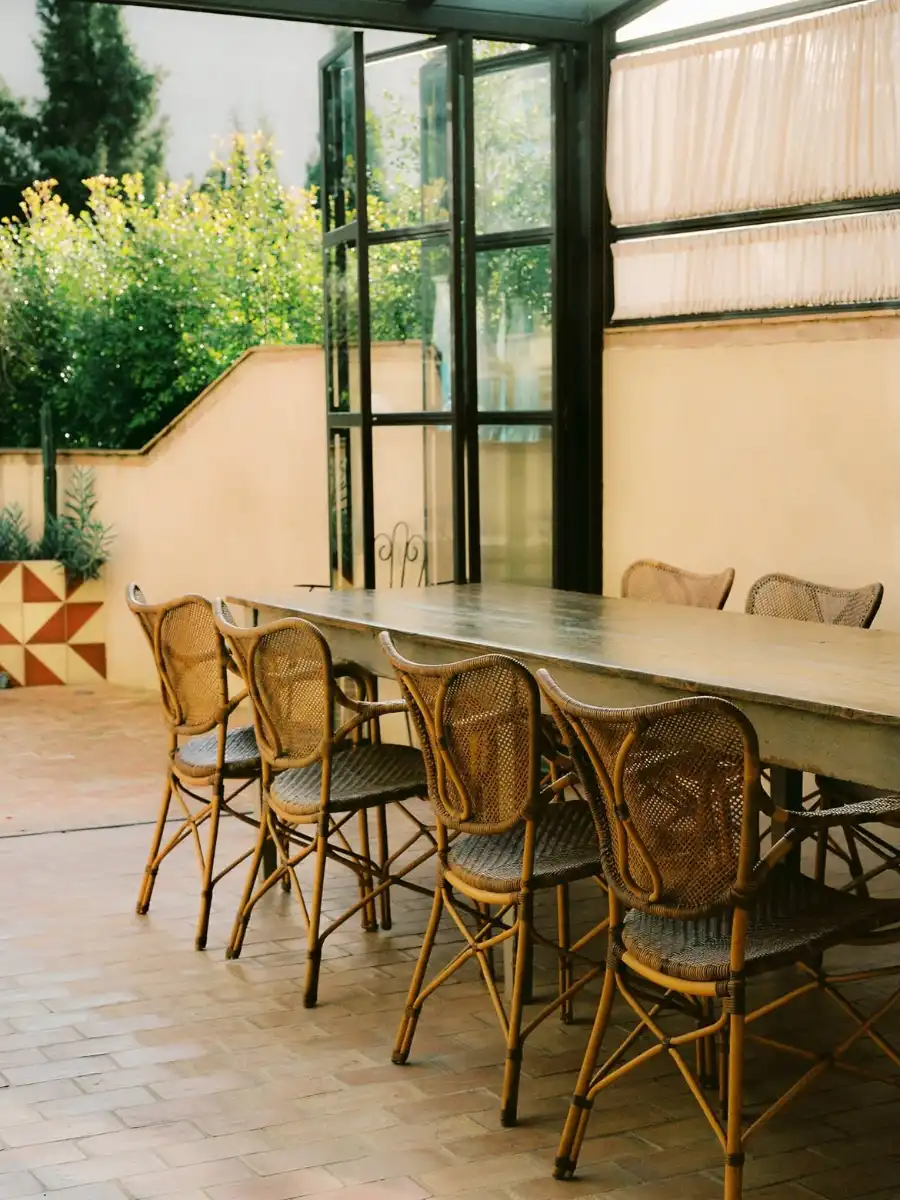
Complimentary. Served on the patio, in the greenhouse or in your room.
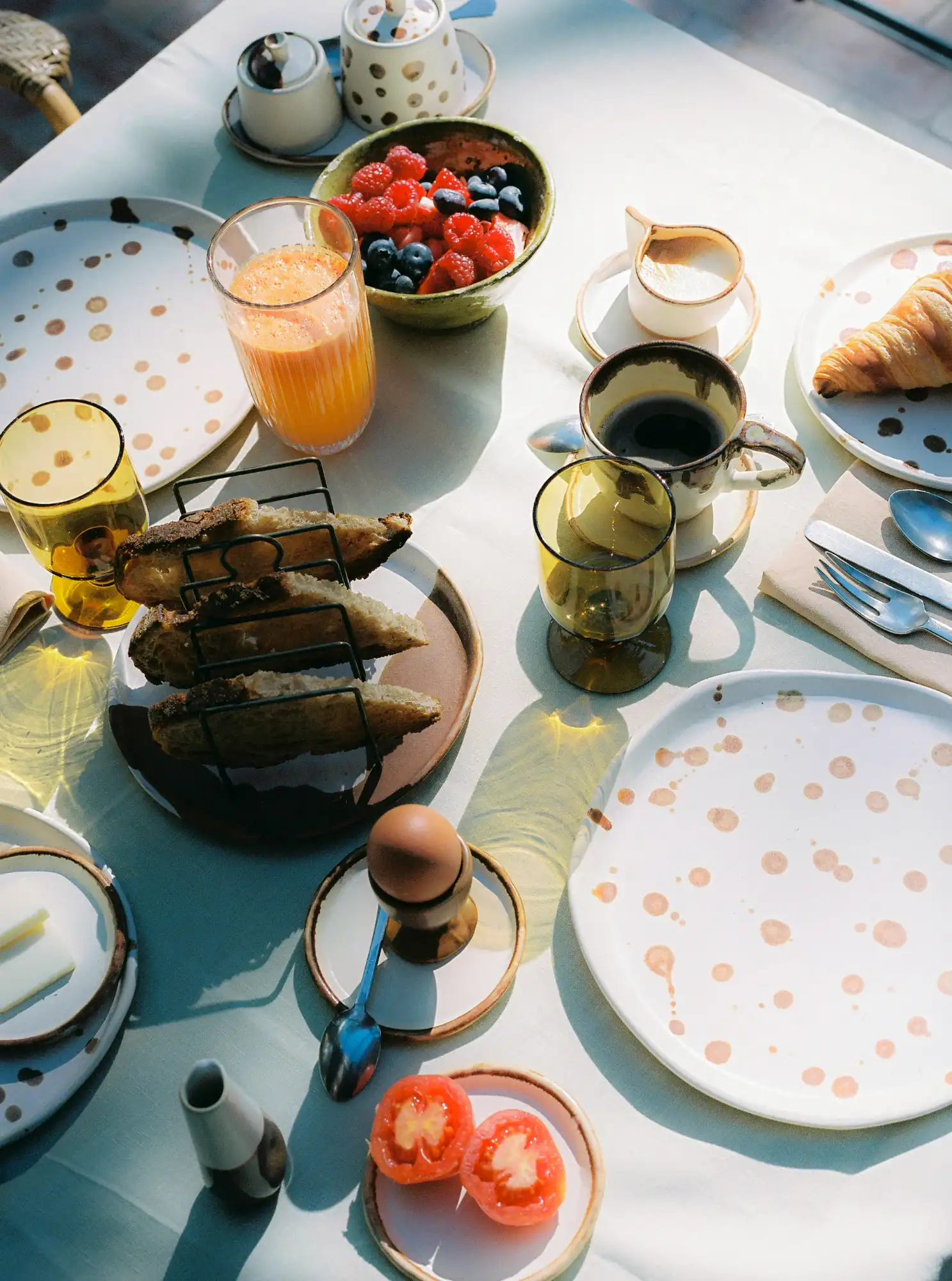
Personalised, high-quality breakfast, cooked fresh to order.
Fresh, local and seasonal products.
Cold cuts from Ca la Rossa: the family delicatessen. All products are of the highest quality, handmade or carefully selected. Fruit from Fruiteria Andreu: a long-standing local shop with its own orchard. Sourdough bread. Extra virgin olive oil produced by a cooperative in Catalonia. Greek-style natural yoghurt from Can Ubach. Homemade granola. Farm eggs are a classic and are prepared with great care. Speciality coffee, teas and infusions. Freshly squeezed natural juices. All served on handmade ceramics by Pau Costa, Carla’s uncle.
04.
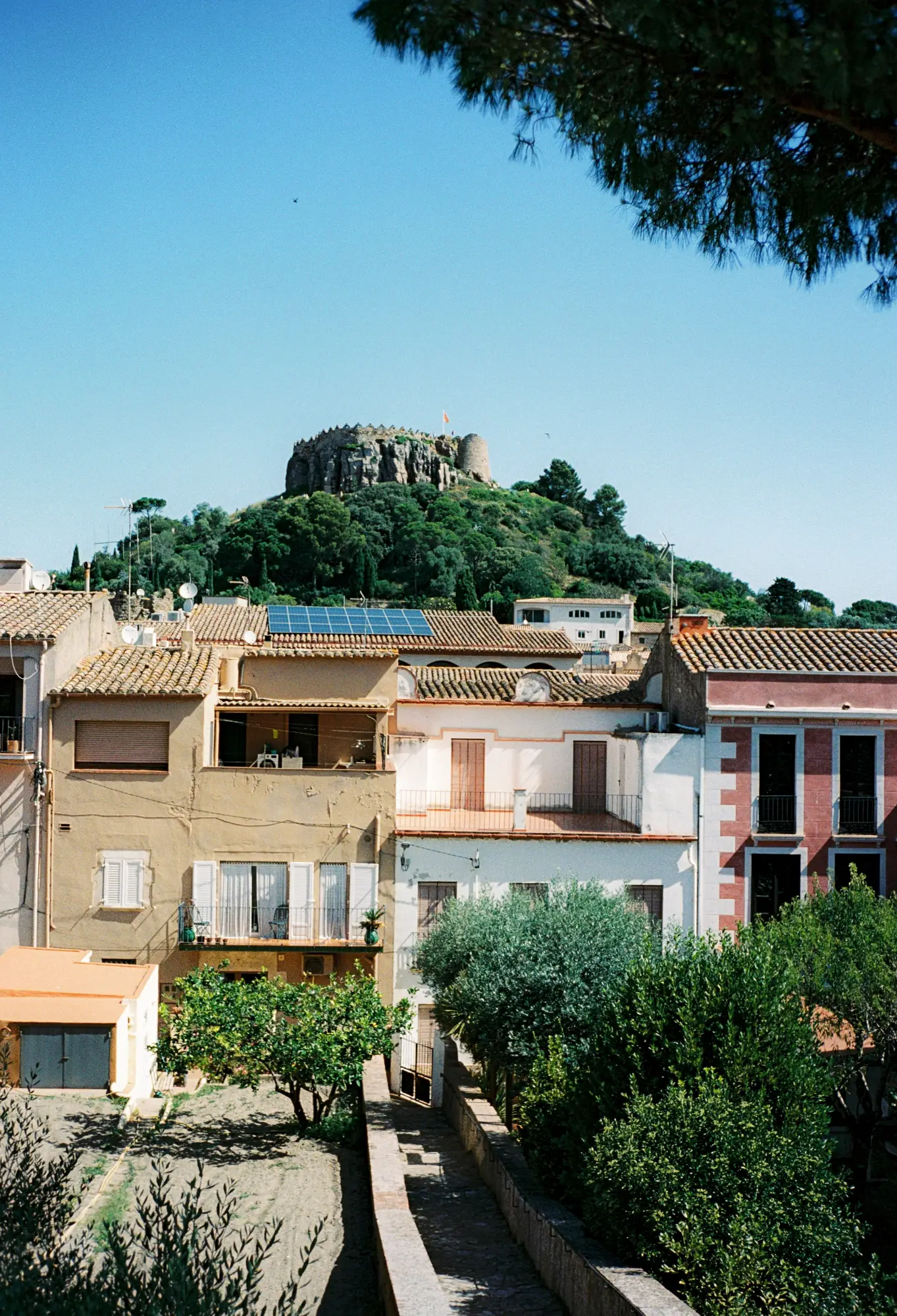
Begur, Costa Brava
A beautiful medieval village in the Baix Empordà that has managed to preserve its essence. Here, the frenetic pace and routine of big cities come to a halt, giving way to a calmer way of doing things and living day by day.
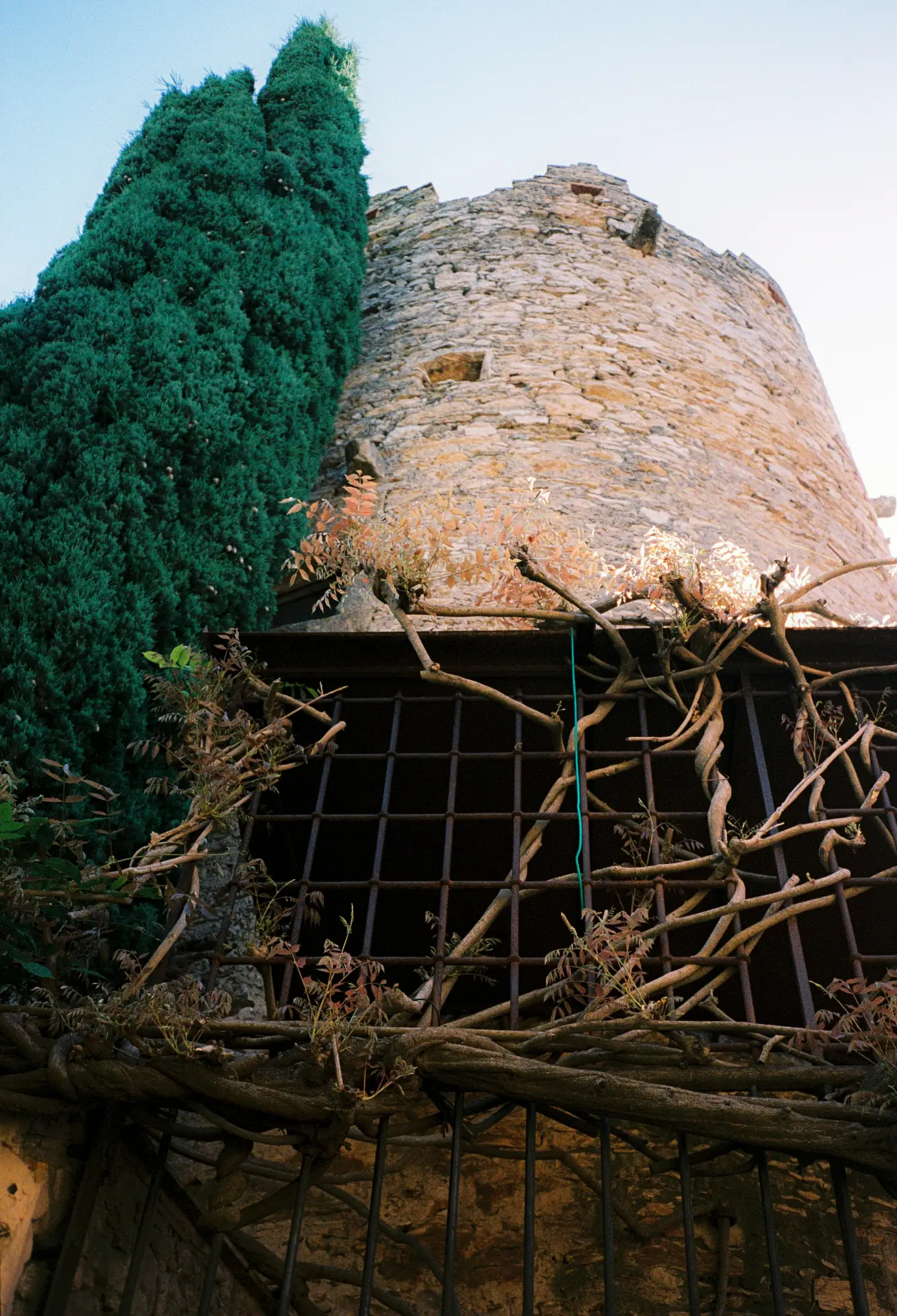
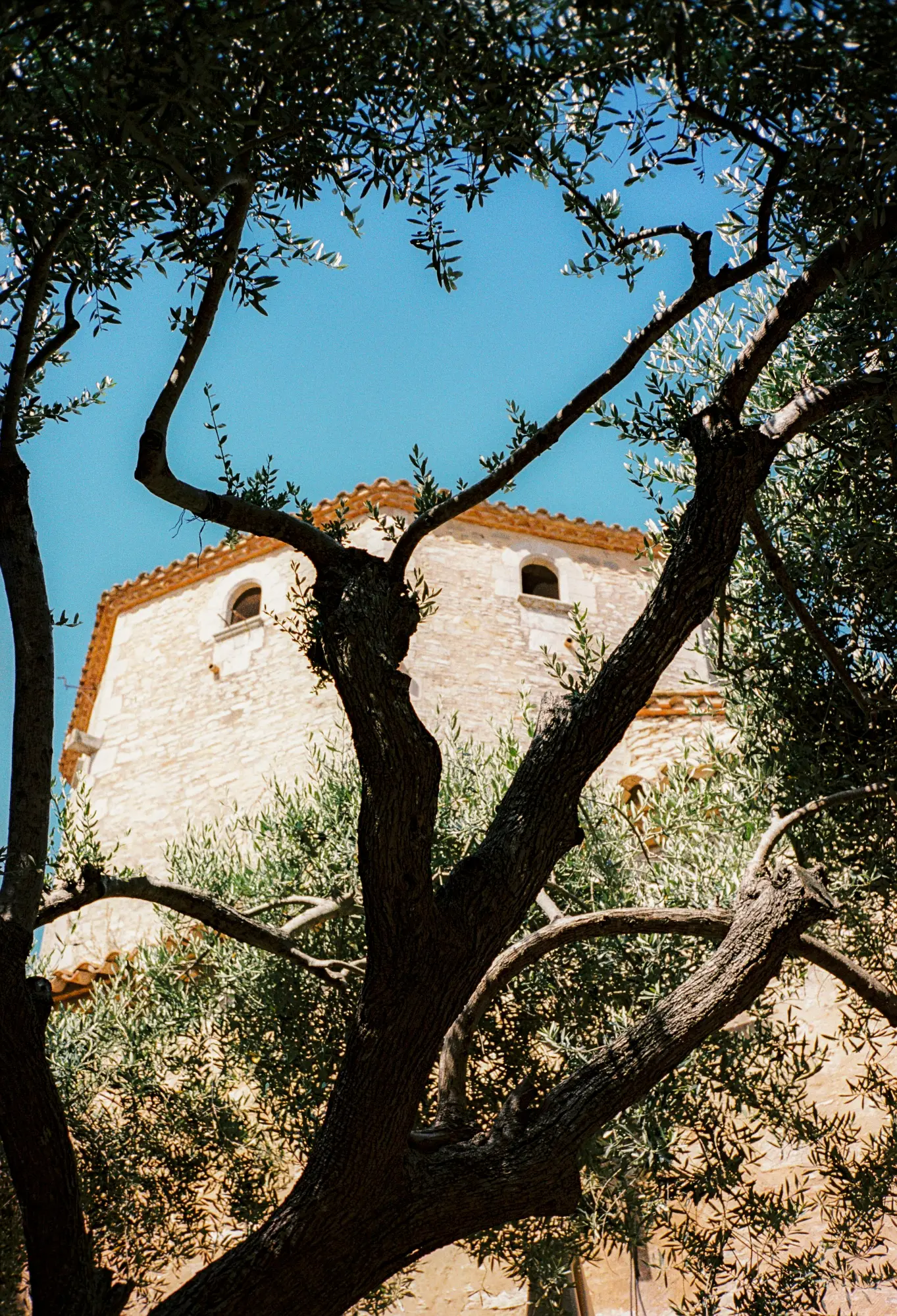
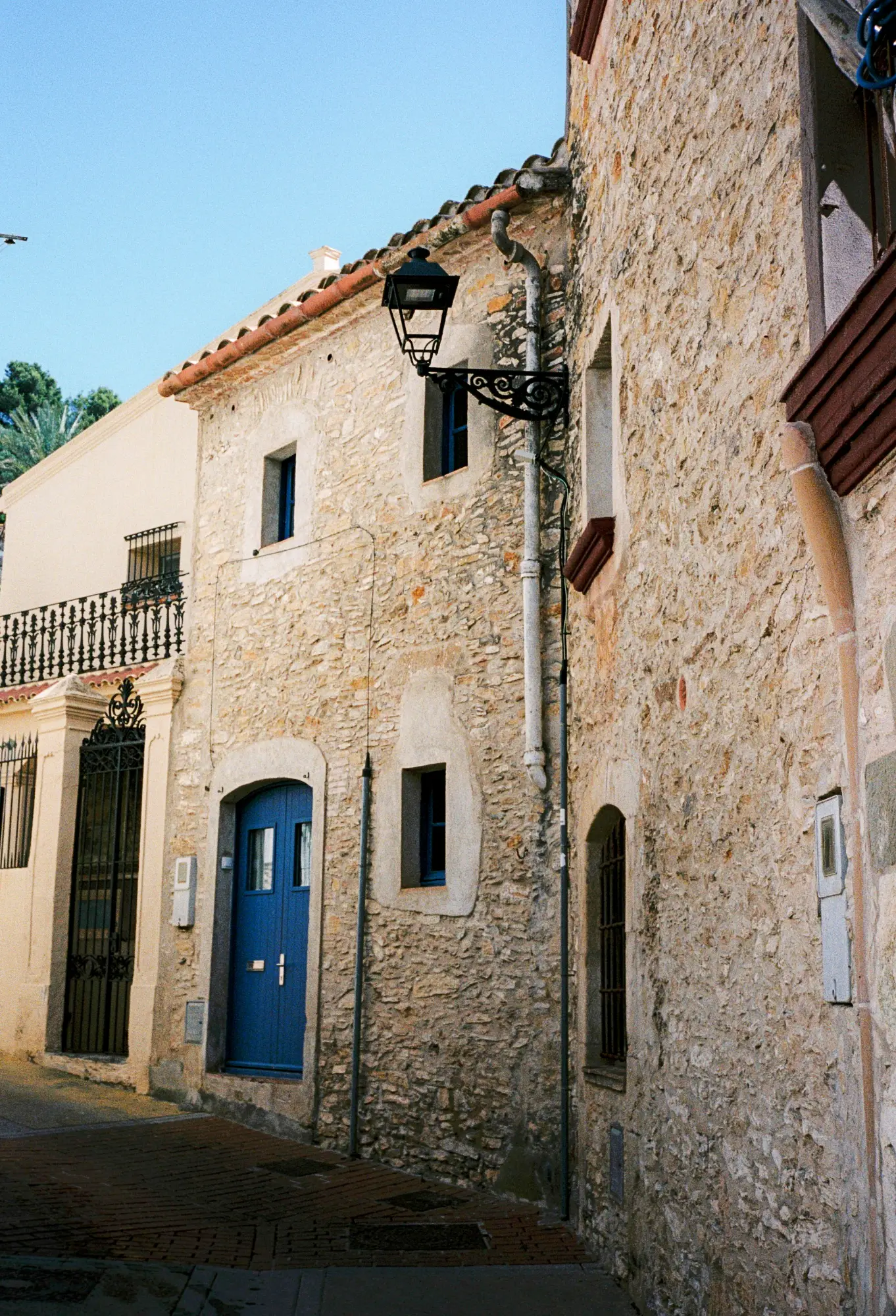
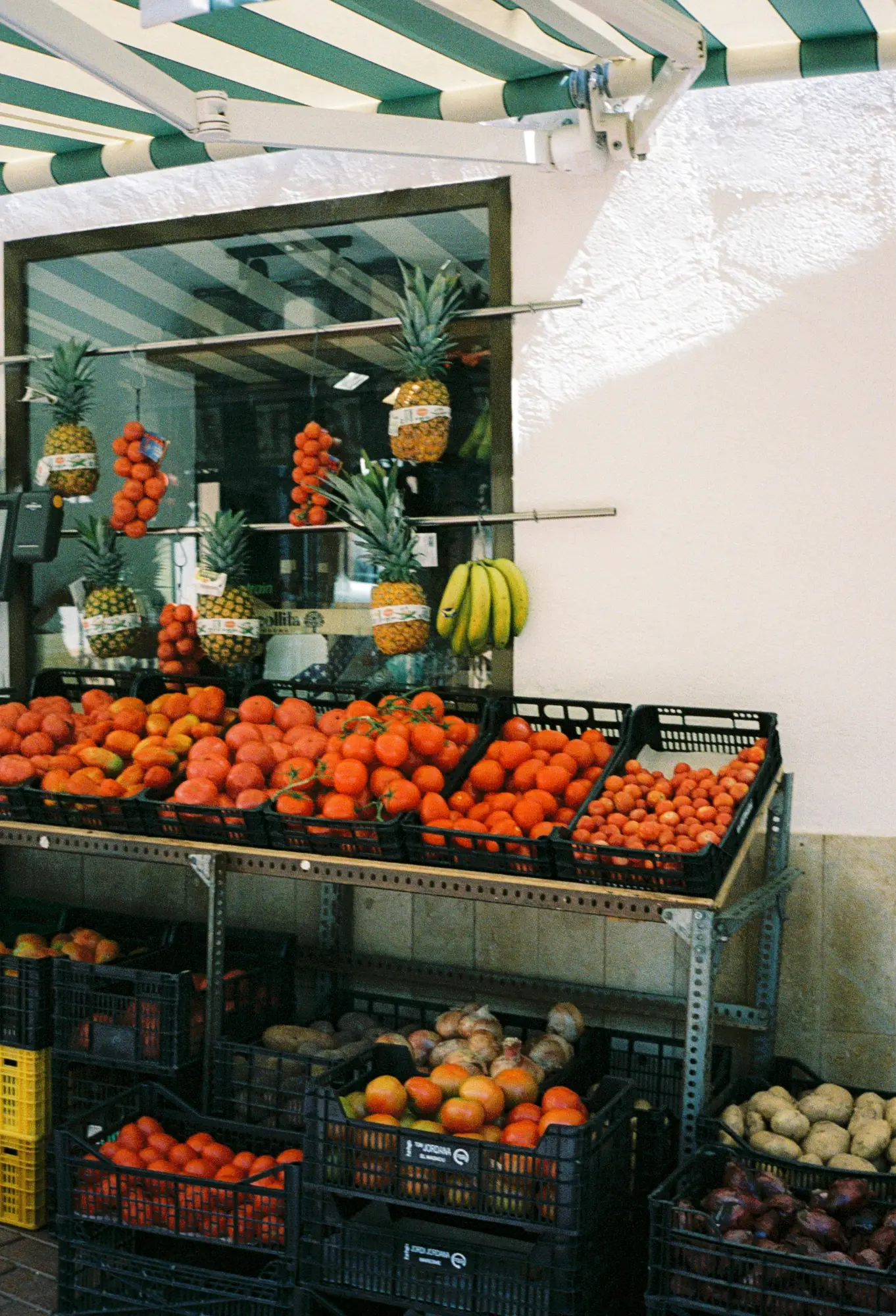
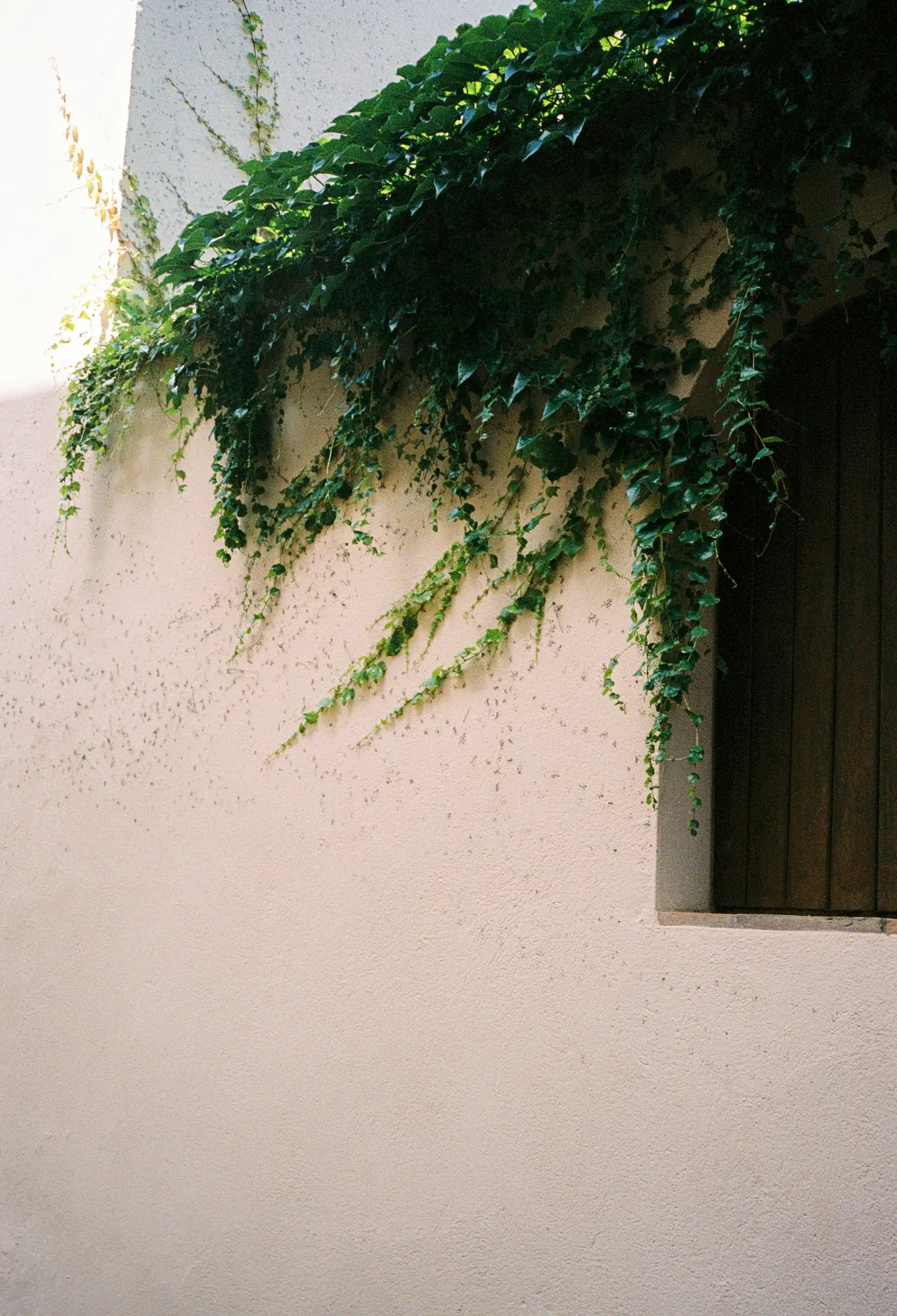
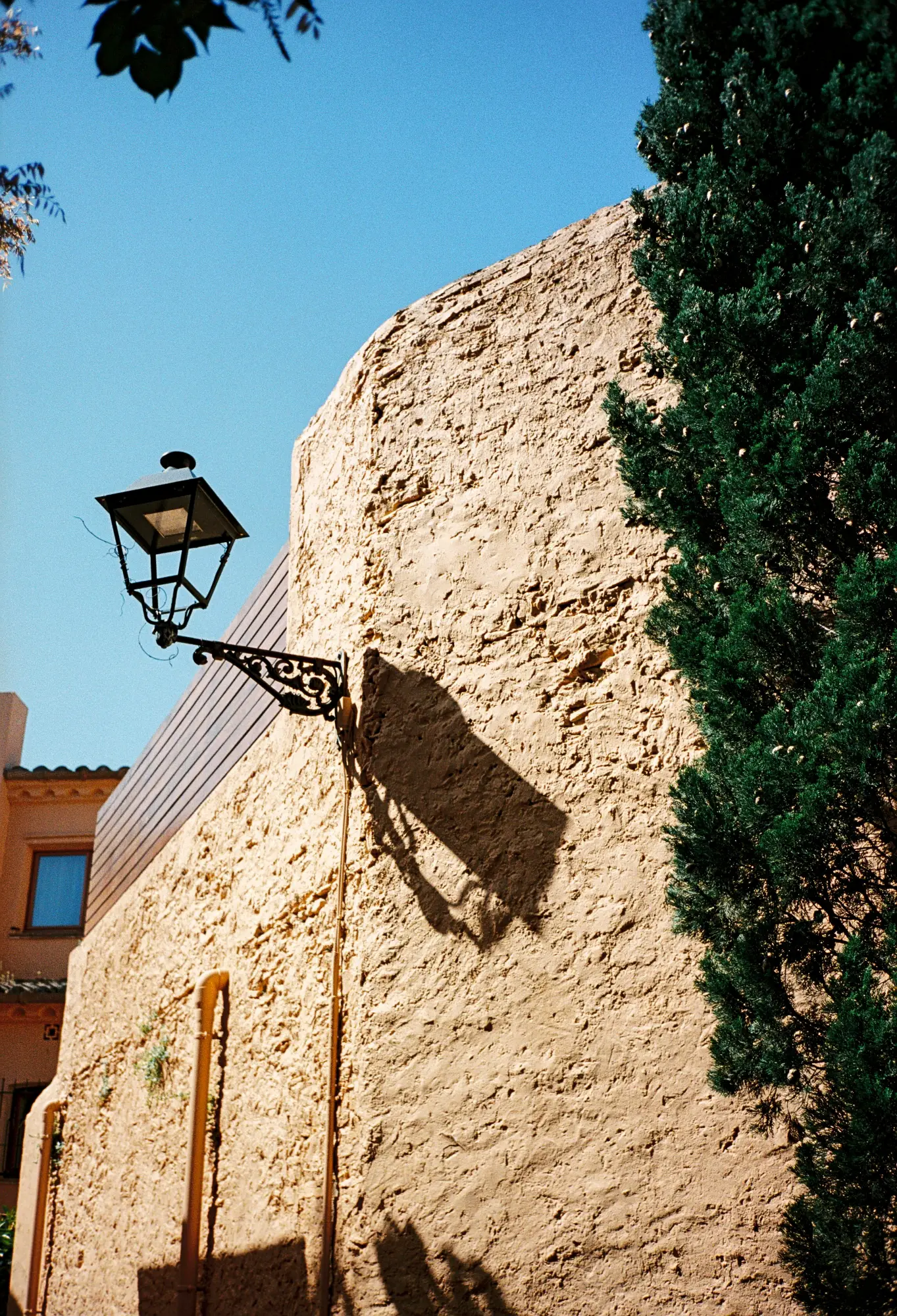
LB. If you would like us to help organise any plans during your stay (boat trips, bike rides, restaurant bookings or massages at the hotel), just let us know and we will take care of everything.
05.
Women who inspire
We like apparently simple plots, but with characters who move through many layers. That is why each room is named after a woman who was never just one thing.
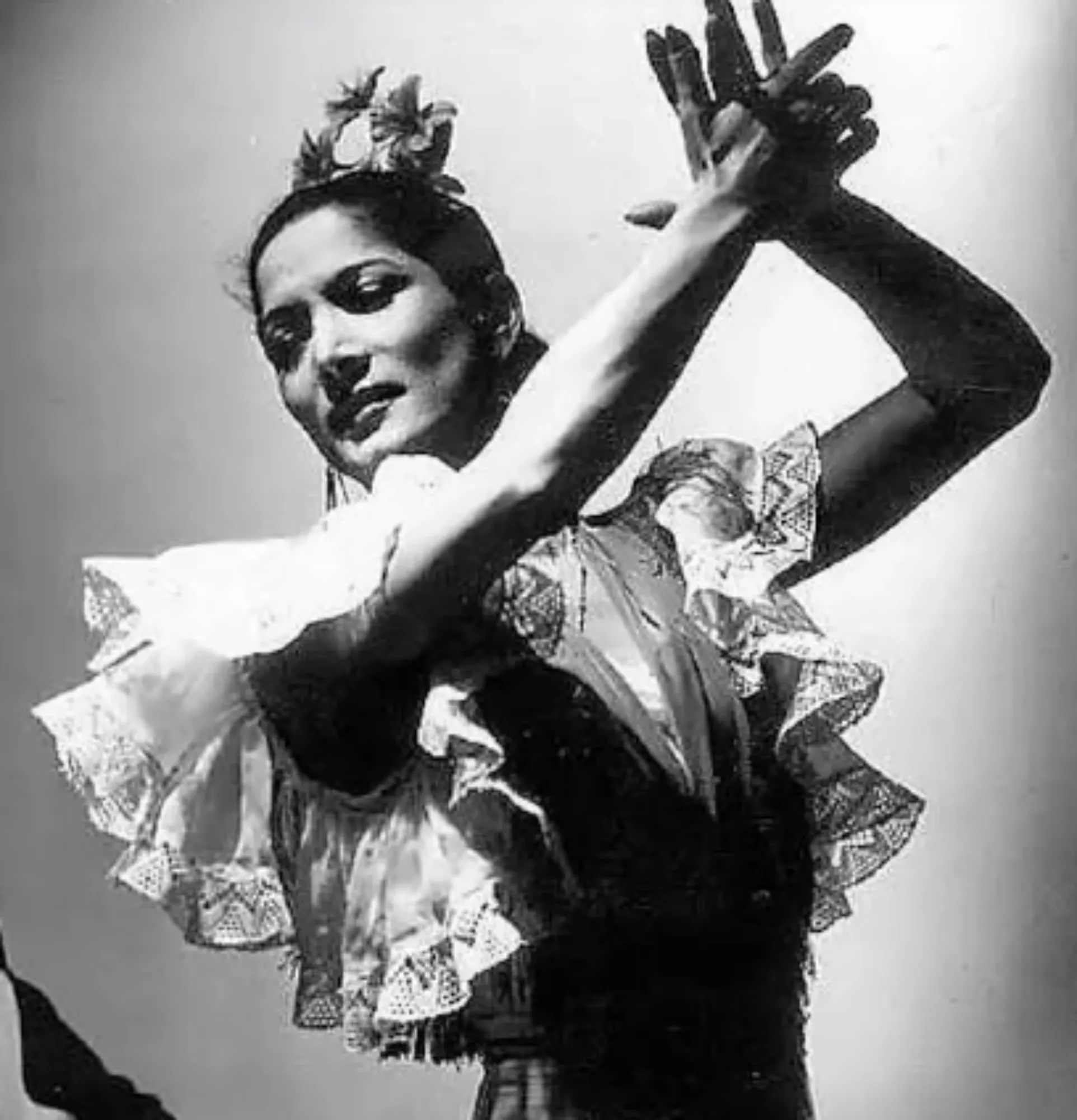
Carmen Amaya
Plot: She dazzled on Broadway, at the White House and on the most luxurious stages in the world.
Twist: She bought and restored Mas d’en Pinc, a farmhouse in Begur, which she turned into her home and refuge. She used to say there was no land or sea more beautiful than the one we stand on now.
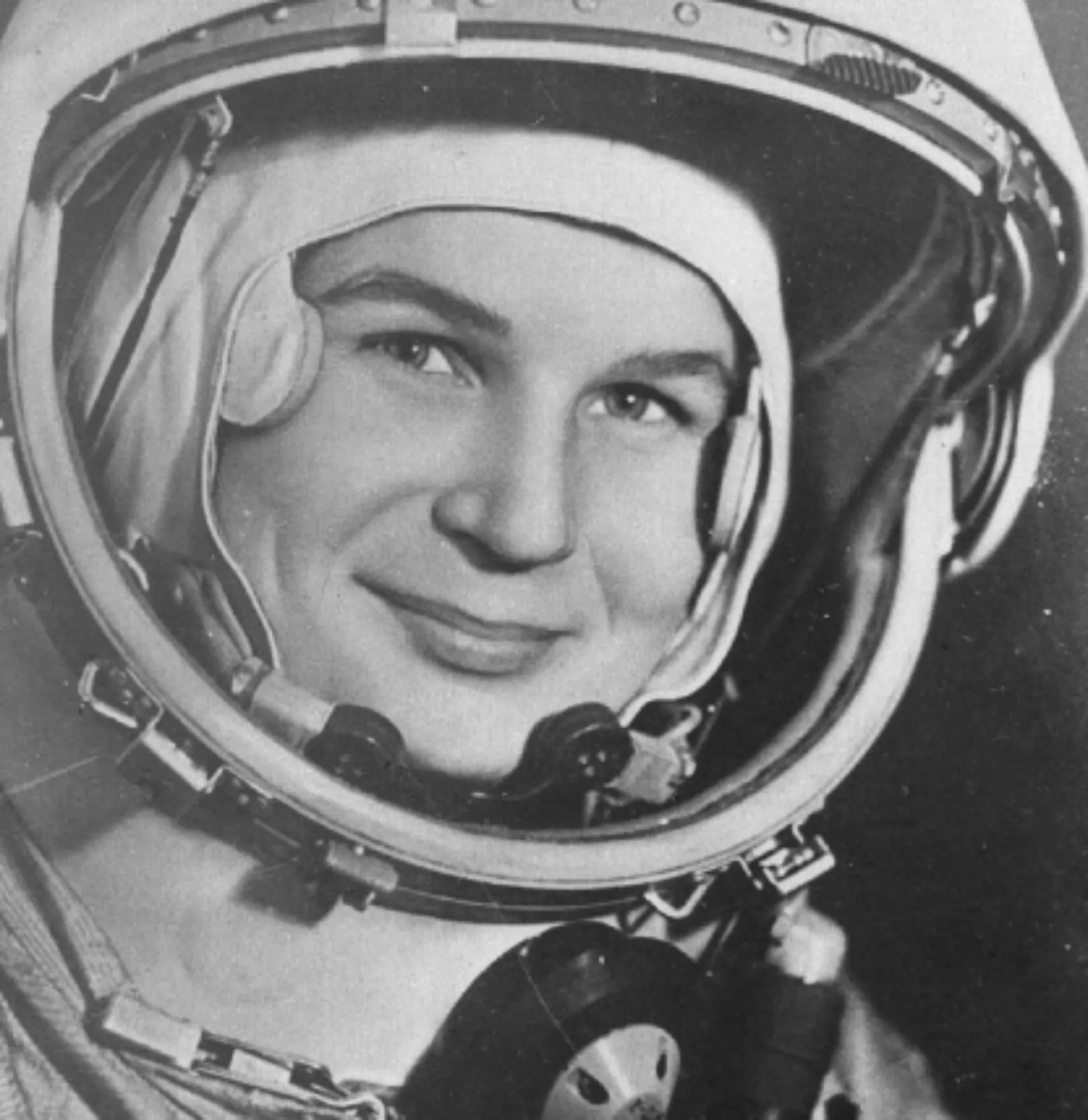
Valentina Tereshkova
Plot: The first woman to travel into space, at just 26 years old, aboard Vostok 6, during the height of the Soviet Union’s space race.
Twist: With no engineering background or military pilot training, she was chosen for her courage and sharp mind. During the flight, she detected a programming error in the spacecraft that would have prevented her return and reported it in time, saving her own life.
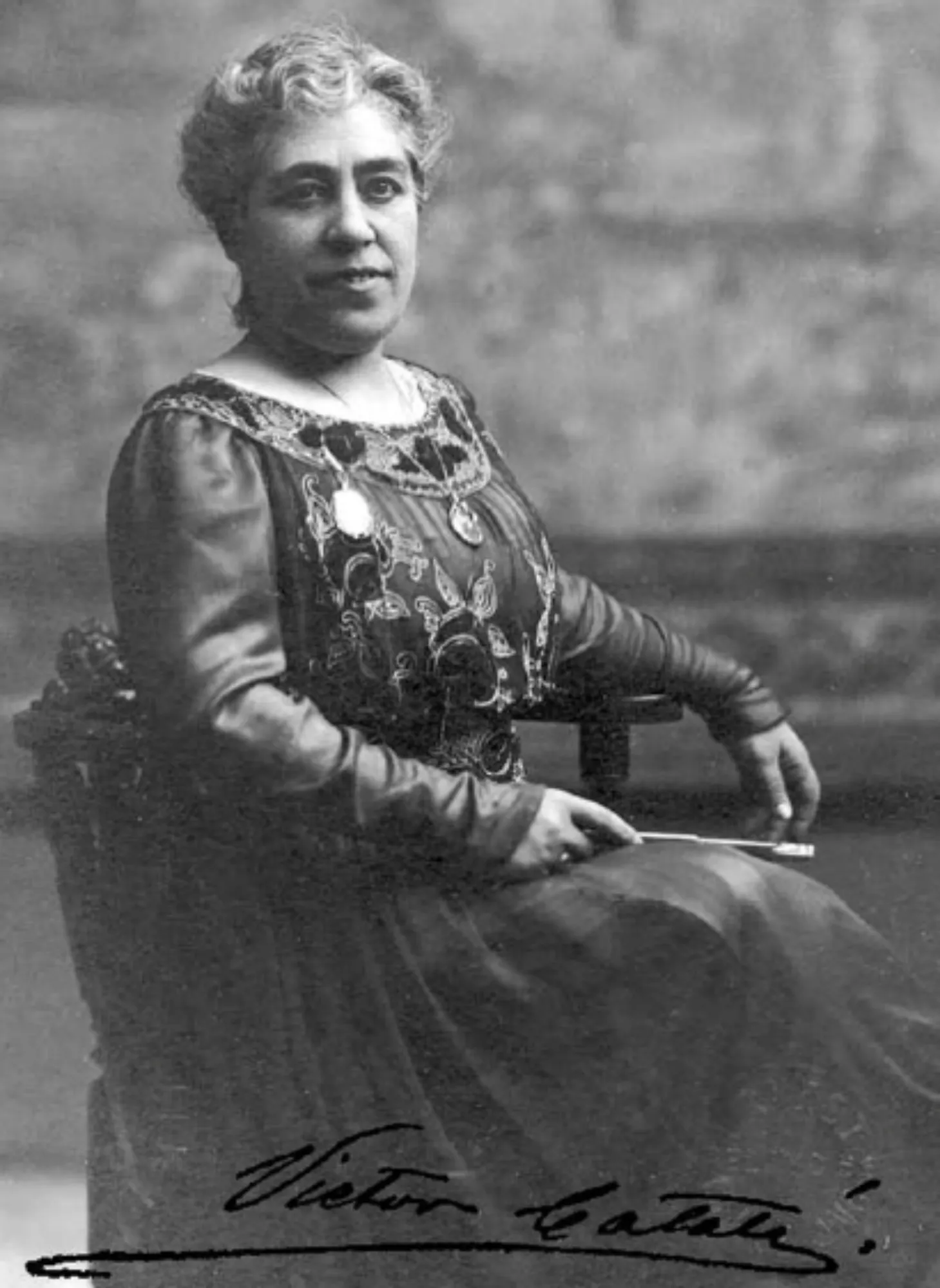
Víctor Català
Plot: She lived quietly in her family farmhouse in l’Escala, in the Alt Empordà, far from the literary bustle of Barcelona.
Twist: From that secluded life came Solitud, a work of symbolic power, psychological depth and aesthetic radicalism that shook its time.
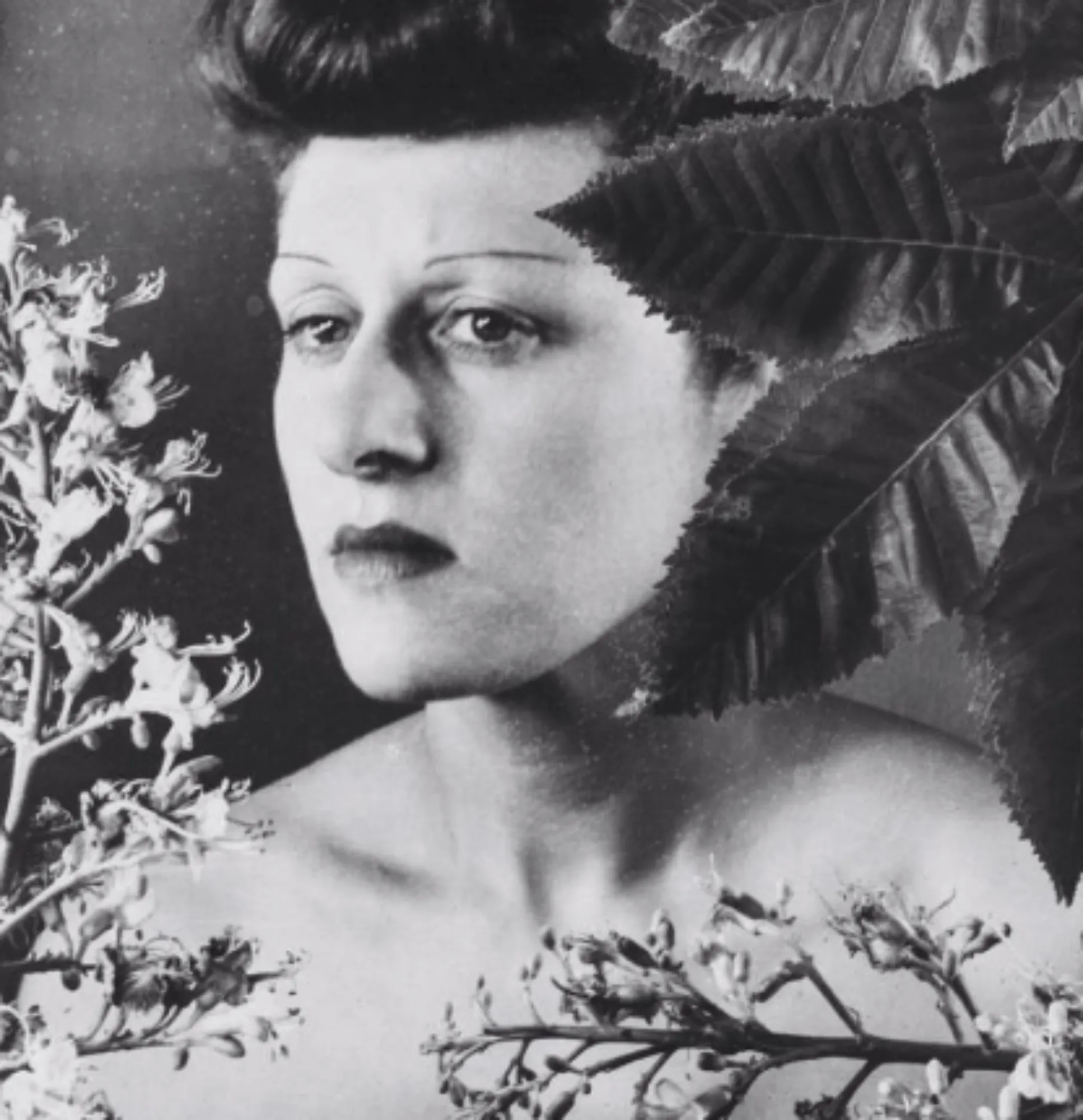
Grete Stern
Plot: Trained in the German avant-garde, she emigrated to Buenos Aires fleeing Nazism and founded one of the first modern photography studios in Argentina.
Twist: Her surrealist photomontages — especially the Dreams series — transformed the female unconscious into image, turning photography into an act of emancipation.
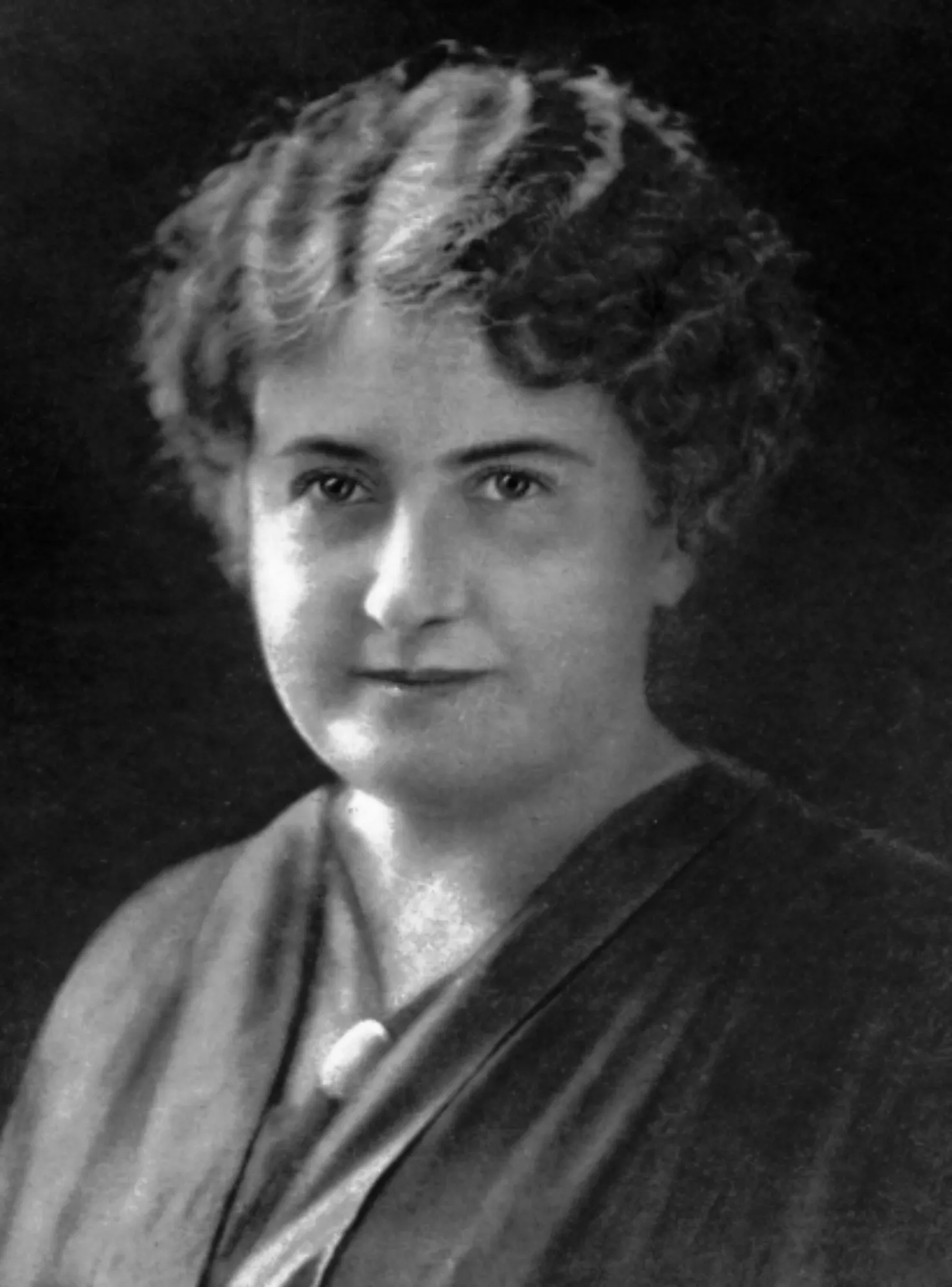
Maria Montessori
Plot: She revolutionised early childhood education by placing the child at the centre of learning, prioritising autonomy over obedience.
Twist: She was expelled from her own country for refusing to militarise education under Mussolini’s regime, and lived for years in exile. She also had a son in secret, who would later become her closest collaborator.
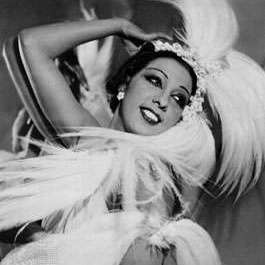
Joséphine Baker
Plot: She revolutionised Parisian cabaret in the 1920s with her energy, humour and provocation. Her banana skirt became a cultural icon.
Twist: Behind the spectacle, she worked as a spy for the French Resistance and as a civil rights activist, using the stage as a cover and the body as a political weapon.
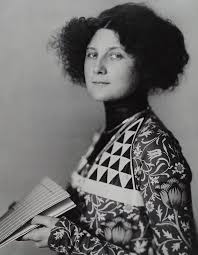
Emilie Flöge
Plot: A key figure of Viennese modernity, she ran the Schwestern Flöge fashion house alongside her sisters, where she created designs that broke away from the corset and the conventions of the time.
Twist: She was Gustav Klimt’s muse, creative partner and impossible love. While he portrayed her wrapped in gold, she designed clothing free from constraint, anticipating a female emancipation that her generation could barely imagine.